
In an increasingly automated retail world where unattended vending machines handle billions of dollars' worth of transactions globally, the security of these machines has become a critical concern. Central to that security ecosystem are vending machine locks — specifically, brass vending machine locks, which remain the preferred choice for operators, manufacturers, and service providers worldwide.
Brass vending machine locks may be a humble component, but their role in theft prevention, maintenance efficiency, and operational reliability is anything but small. This in-depth report explores the history, technology, benefits, market trends, innovations, and future prospects of brass vending machine locks — and why they continue to outperform alternatives in an era dominated by digital smart locks and advanced access technologies.
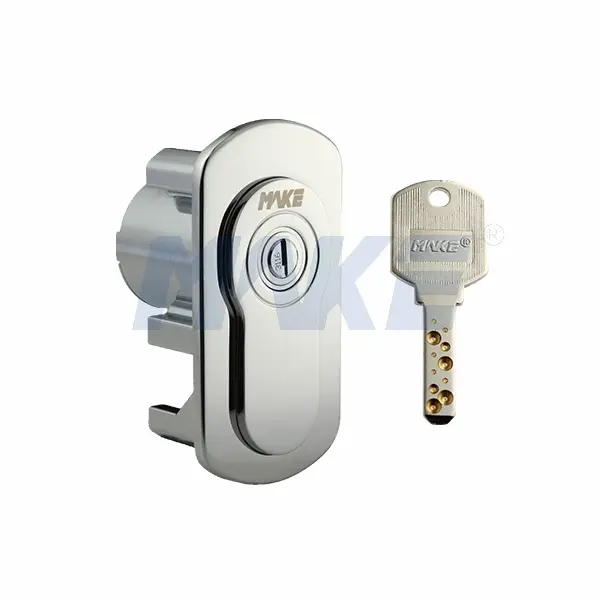
The first mechanical vending machines date back to ancient Alexandria in the 1st century AD, dispensing holy water via coin-activated devices. Fast forward to the 1880s, and modern coin-operated machines began appearing in the United States and Europe, selling everything from gum to postcards.
From the outset, securing these machines was a priority. Early designs incorporated simple padlocks and metal bolts, but as machines became more valuable and widespread, criminal incentives to breach them increased.
This demand for greater security gave rise to specialized locking mechanisms, with brass quickly becoming a material of choice due to its unique combination of durability, machinability, and corrosion resistance.
Brass is an alloy made primarily of copper and zinc, valued for its mechanical and chemical properties. In the context of vending machine locks, brass delivers several key advantages:
Vending machines operate in diverse environments — indoors, outdoors, in humid food courts, dusty transit stations, or near corrosive elements like salt air. Brass resists oxidation and rust far better than plain steel or iron, preserving the lock's integrity over long service life.
Locks endure repeated cycles of key insertions, tumbler rotations, and mechanical stress. Brass's natural strength and low friction coefficient minimize wear on internal components, which translates to longer lifespan and fewer lock replacements.
Brass can be cast and machined with high precision, making it ideal for complex lock mechanisms with tight tolerances — essential for security and smooth operation. This factor has also enabled innovations such as pin-and-tumbler systems, dimple locks, and high-security wafer designs.
While function outweighs form for a vending lock, brass also offers a distinctive finish and feel that conveys quality and robustness — a subtle but appreciated benefit for high-end or branded vending units.
Though vending machine locks may seem straightforward, many feature sophisticated mechanical designs. The most common types include:
The classic lock design uses a series of pins of varying lengths that align only when the correct key is inserted. Brass pins and housings are common due to their precision and low wear characteristics.
Wafer locks use flat wafer stacks instead of round pins. They offer compact profiles and quicker operation, often paired with brass housing and components for durability.
These use specially designed keys with indentations (dimples) instead of traditional ridges. Dimple locks can support higher security profiles, with fewer weak points for manipulation.
Brass vending machine locks may also incorporate latching mechanisms or deadbolts that engage more deeply into the machine frame for added resistance against pry attacks.
As vending machines evolve to sell expensive electronics, fresh food, or pharmaceuticals, the stakes for security have risen. Common threats include:
Prying tools, bump keys, and brute force remain real risks, especially in high-traffic public areas. High-quality brass locks with reinforced housings and anti-pry features are essential defenses.
Unauthorized key copies represent a continuing challenge. Manufacturers and operators respond with restricted keyways, patented key designs, and tightly controlled key distribution.
Many modern machines supplement mechanical locks with digital credentials, RFID access, or Bluetooth control. However, reliance on software alone can invite hacking. Brass mechanical locks provide a reliable fail-safe fallback to ensure access control even during digital failure or cyberattack.
Lock manufacturers have experimented with materials like stainless steel, aluminum alloys, and even engineered plastics. Yet brass remains dominant in vending security because:
Material | Corrosion Resistance | Security | Cost | Durability |
Brass | Excellent | High | Moderate | Very High |
Stainless Steel | Very High | High | High | Very High |
Aluminum Alloy | Moderate | Medium | Low | Medium |
Plastic/Composite | Low | Low | Very Low | Low |
Brass strikes the optimal balance — robust enough for security, cost-effective compared to exotic alloys, and proven across decades of field use.
Most vending machine manufacturers specify brass locks as standard equipment. International and regional security standards — such as ISO lock classifications and ASTM material specs — often reference brass components due to their established performance.
From bulk vending machines in supermarkets to proprietary units in corporate campuses, brass locks are often integrated into security protocols, including auditing access, scheduled servicing, and key control systems.
The vending machine industry continues to evolve:
Machines increasingly feature telemetry, contactless payments, and real-time inventory monitoring. Mechanical locks still play a vital role in service access and emergency override, working in tandem with digital systems.
Traditional snack and beverage machines have given way to units vending electronics, PPE, CBD products, medical supplies, and more. Higher value inventory increases theft risk — driving demand for higher security lock solutions.
Urban centers with heavy foot traffic require machines that withstand wear, climate factors, and tampering. Brass's corrosion resistance and longevity make it a preferred choice.
Operators seek components that minimize maintenance costs and replacement cycles. Brass locks, by lasting longer and resisting environmental wear, contribute to lower total cost of ownership (TCO).
Recent years have seen multiple innovations in brass vending machine locks:
Refined internal geometries and unique pin arrangements make it harder for unauthorized users to manipulate locks without the correct key.
Operators managing fleets of machines can standardize or master-key systems, where one key opens multiple locks while subordinate keys open specific units. Brass components support this flexibility securely.
Combining brass mechanical cylinders with digital authentication layers, providing dual-factor access control — particularly in high-security environments like pharmaceutical dispensing kiosks.
Brass locks with integrated seals, protective covers, and engineered lubricants are increasingly specified for outdoor or semi-outdoor installations, extending service life.
Sustainability has moved to the forefront of industrial design. Brass stands out for multiple reasons:
- Recyclability: Brass is highly recyclable without loss of performance, reducing environmental impact.
- Longevity: Fewer replacements mean less waste and lower material throughput over time.
- Energy Efficiency: Brass's machinability lowers manufacturing energy compared to harder alloys like high-grade stainless steels.
These factors make brass vending machine locks attractive for operators with ESG goals (Environmental, Social, Governance), particularly in enterprise and public sector deployments.
For vending machine operators, selecting and maintaining brass locks involves several practical considerations:
Maintain strict key custody logs and limit duplication. Partner with manufacturers who offer restricted keyways for enhanced control.
Even brass locks benefit from periodic cleaning and lubrication (especially in harsh environments). Use industry-appropriate lubricants to avoid contaminants.
Older machines with generic or worn locks are more vulnerable. Retrofitting with modern brass high-security locks can dramatically reduce break-ins.
For outdoor machines, specify weatherproof lock variants with covers or seals to prevent debris and moisture ingress.
Despite their benefits, brass vending machine locks are not without limitations:
- Cost: High-security brass locks cost more upfront than basic plastic or stamped alternatives, though TCO is lower over time.
- Key Management Complexity: Master key systems require careful planning to avoid unauthorized access.
- Physical Theft Risks: No lock is impervious — physical enclosure strength and mounting security remain equally critical.
These factors underscore the need for a holistic security strategy, blending brass mechanical locking with smart technology and physical reinforcement.
A major metropolitan transit authority upgraded 300+ machines with anti-bump brass locks. Within 12 months, unauthorized access attempts dropped by 72%, and maintenance calls related to lock failures were nearly eliminated.
A network of vending kiosks selling electronics and accessories in shopping malls reported monthly losses due to break-ins. After retrofitting with high-security brass worm-drive locks and restricted keyways, losses dropped to near zero within six months.
Machines installed near coastal boardwalks suffered frequent corrosion issues with stainless-steel locks. Switching to brass locks with protective seals extended lock life and reduced replacements by 45%.
Looking forward, the interplay between mechanical locking and digital technologies will shape vending security:
- Smart Hybrid Systems: Locks that combine mechanical brass cylinders with encrypted digital authentication for enhanced auditing and remote access control.
- Biometric Access: For service personnel, biometric verification combined with a brass lock override could become standard.
- Blockchain-Backed Key Management: Distributed ledgers may help track and authorize key assignments across large operator fleets.
Despite digital transformation, experts agree mechanical security — especially brass vending machine locks — will remain a foundational layer for decades to come.
In a world where vending machines are more intelligent, connected, and valuable than ever before, brass vending machine locks continue to play an indispensable role in securing assets, protecting revenue, and ensuring uninterrupted service.
With unmatched corrosion resistance, mechanical integrity, and adaptability to evolving security needs, brass locks retain their place as the gold standard in vending machine security — not just as relics of mechanical history, but as engineered solutions for today and tomorrow.