
In an era where automated retail solutions are becoming ubiquitous — from downtown transit hubs to university campuses — the humble vending machine has evolved into a high-tech commerce platform. With this evolution comes greater exposure to theft, tampering, and security breaches. At the heart of the vending machine’s defense system is a critical yet often overlooked component: the vending machine dimple cylinder lock.
This news feature explores how dimple cylinder locks are transforming vending machine security, why industry professionals are increasingly adopting them, and what future innovations lie on the horizon.
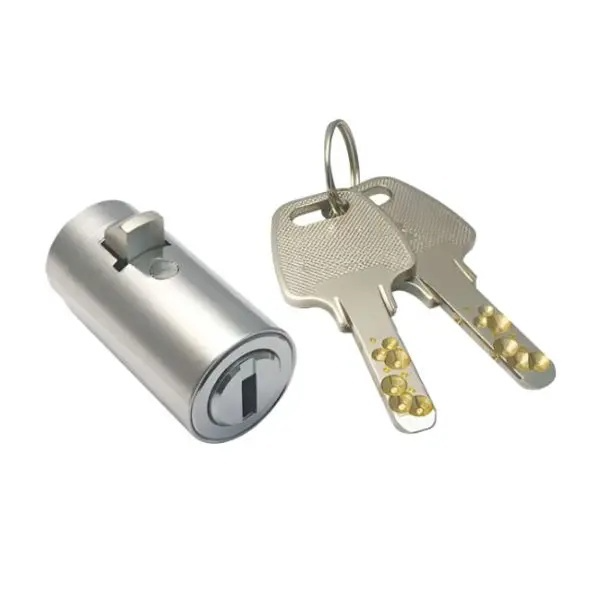
A dimple cylinder lock is a type of high-security pin-tumbler lock distinguished by its unique key design. Instead of traditional jagged key cuts along the edge, dimple keys have small, precisely drilled indentations — or “dimples” — on the flat surface. These dimples correspond with pins inside the lock cylinder, allowing only the correct key to align all pins and permit rotation.
In vending machines, these locks replace conventional tubular or wafer locks that have historically been easier to pick or manipulate. The result is a lock that is substantially more difficult to compromise, especially for individuals using simple tools.
Vending machines are an attractive target for criminals because:
- They contain cash and high-value stock.
- They are often placed in low-traffic or unsupervised areas.
- Traditional locks and mechanisms are relatively easy to breach.
According to industry sources, theft and vandalism account for millions of dollars in losses annually for vending operators worldwide. In urban areas, machines placed in transit stations, alleyways, or retail parking lots face repeated attacks using basic tools like screwdrivers, wrenches, or improvised picks.
While anti-tilt switches, alarms, and reinforced cabinets have helped, the weakest link often remains the lock itself.
The design of dimple cylinder locks inherently makes them more secure:
Complex Keyway: Unlike traditional locks, the dimple keyway is harder to reach and manipulate.
Precision Pin Stacks: These locks often use multi-stack pin arrays or mushroom-style pins that resist picking.
Restricted Key Blanks: Many vending machine manufacturers and lock suppliers restrict key blank distribution, preventing unauthorized duplication.
Security analysts note that even experienced lock pickers find dimple locks challenging without specialized tools.
Major vending operators — from national distributors to local fleet owners — are replacing older security hardware with dimple cylinder locks. This upgrade has been particularly common in:
- High-traffic public transit stations
- Schools and universities
- Hospitals and healthcare facilities
- Outdoor locations exposed to weather and vandalism
Operators report a decline in forced entry attempts and claim that machines equipped with dimple locks are less frequently targeted.
The Metro Transit Authority (MTA) of a major U.S. city recently retrofitted hundreds of machines:
“Since upgrading to dimple cylinder locks, we’ve seen a 47% reduction in break-ins and vandalism claims,” said a senior operations manager. “The locks are not just harder to open — the visual deterrent alone discourages opportunistic thieves.”
Modern vending machine dimple cylinder locks come with several key design attributes:
Many lock models include advanced features like:
- Tapered key pins
- Sidebars
- Security pins with mushroom or spool shapes
These features disrupt conventional lock picking techniques and make bump-key attacks ineffective.
Outdoor vending machines require locks capable of resisting corrosion, moisture, and temperature swings. Stainless steel and hardened alloys are common choices.
For large fleets, operators often use master keying, where a master key opens all locks while individual keys open only designated machines. A well-designed dimple cylinder makes master key systems both secure and practical.
While dimple cylinder locks substantially improve physical security, manufacturers and operators are pairing them with digital technologies:
Some modern vending machines integrate lock-position sensors that send alerts when a door is opened or tampered with.
Locks are now often paired with cameras that trigger recording upon suspicious activity at the lock — making forensic investigation easier.
Advanced systems can automatically notify operators or security personnel, minimizing response time after a breach.
“Traditional vending machine locks were a badge of convenience for criminals — easy to defeat and poorly standardized,” said an independent retail security consultant. “Dimple cylinder locks raise the bar significantly. They’re not invincible, but they shift the dynamic in favor of the operator.”
Professional locksmiths confirm that dimple locks demand specialized tools and techniques, making unauthorized access more time-consuming and risky for bad actors.
“Installation is straightforward, and maintenance is minimal,” said a field technician for a national operator. “The biggest challenge is retraining crews on key handling and inventory management.”
Despite their advantages, vending machine dimple cylinder locks are not a silver bullet. Industry players note several considerations:
Upgrading thousands of machines can require significant upfront investment. Lock hardware, rekeying services, and key distribution logistics must be managed carefully.
Locks are only as secure as the keys themselves. Operators must enforce strict key control policies to prevent unauthorized duplication or loss.
In environments like schools, keys may be held by multiple staff members. Balancing accessibility with security requires thoughtful policy design.
Manufacturers of dimple cylinder locks report increased orders from vending machine OEMs and service providers. The trend is driven by:
Heightened security awareness
Insurance requirements
Higher value inventory in machines (e.g., electronics, premium goods)
In some jurisdictions, insurance companies are tightening underwriting standards, requiring higher security hardware to qualify for coverage.
Industry associations are discussing standardized security ratings for vending machine locks, similar to residential and commercial door lock standards. A universal benchmark could help operators choose appropriate hardware.
Hybrid solutions are emerging that combine mechanical dimple cylinders with electronic authentication, such as:
- RFID authorization
- Bluetooth-enabled access logs
- Time-restricted opening windows
Though still in early stages, prototypes exist that incorporate fingerprint or facial recognition for authorized technicians.
Some new designs include visual indicators that show if a lock has been manipulated, aiding maintenance crews and security personnel.
A Fortune 500 company replaced standard locks on campus vending terminals with dimple cylinder models after repeated thefts. Managers report:
A noticeable drop in forced entries
Increased employee confidence in machine reliability
Lower labor costs associated with repair visits
At a large university, vending machines in dorms and remote parking structures were frequent vandalism targets. After installation of high-security dimple locks, campus security logged:
Fewer nighttime alarms
Reduced repair budgets
Students reporting fewer incidents
Feature | Tubular Locks | Wafer Locks | Dimple Cylinder Locks |
Ease of Picking | High | Moderate | Low |
Key Duplication Risk | High | Moderate | Low (restricted) |
Cost | Low | Moderate | Higher |
Weather Resistance | Variable | Variable | High (in quality models) |
Theft Deterrence | Low | Moderate | High |
If you manage or service vending machines, here are best practices:
Audit Your Locks
Identify machines with outdated or weak lock hardware.
Adopt a Key Control Policy
Track who has keys and enforce strict duplication controls.
Train Technicians
Ensure field crews know how to service and rekey dimple cylinder locks.
Pair Locks with Sensors
Door contact sensors and networked alarms improve response time.
Plan for Long-Term Support
Choose lock manufacturers with warranty, technical support, and spare parts availability.
“We treated the lock upgrade as an investment — not an expense,” said a regional vending operator. “The ROI was clear once theft attempts dropped and machines stayed online longer.”
“Keys used to go missing monthly,” commented a facility manager at a community college. “Since switching to dimple cylinder locks and tightening key controls, we haven’t had a single unauthorized opening.”
Experts predict that by 2030:
- Over 70% of new vending machines sold will include high-security locks as a standard feature.
- Smart lock integrations with remote monitoring will become the norm.
- Insurance premium discounts may be tied to verified security hardware.
In a world where unattended retail solutions expand — including fresh food vending, electronics dispensers, and secure package kiosks — security hardware like dimple cylinder locks will play a central role.
The vending machine dimple cylinder lock might seem like a small piece of hardware, but its impact on security, operator economics, and customer experience is substantial. As threats evolve and automated retail continues to proliferate, investing in robust physical security solutions is no longer optional — it’s a business imperative.
From reducing theft and lowering maintenance costs to enabling digital integrations and insurance compliance, high-security dimple cylinder locks have emerged as a cornerstone of next-generation vending machine design.
For operators and security professionals alike, the message is clear: securing the lock is securing the machine — and the future of automated retail depends on it.