
As vending machines continue to expand across public spaces—from airports and hospitals to schools, factories, and shopping centers—the need for reliable physical security has never been greater. These automated retail units handle cash, store valuable inventory, and often operate unattended for long periods. Because of this, they are frequent targets for theft, vandalism, and tampering. One of the most critical components safeguarding these machines is the vending machine cylinder lock.
Cylinder locks are widely regarded as the standard locking mechanism used in vending equipment due to their durability, compact design, and resistance to forced entry. With technological advancements, modern cylinder locks have evolved beyond simple mechanical devices into highly engineered security components featuring anti-pick structures, hardened materials, and advanced key control systems.
This news report provides a comprehensive overview of vending machine cylinder locks, including their structure, working principles, types, materials, security innovations, manufacturing processes, selection guidelines, and industry trends shaping the future of vending machine security.
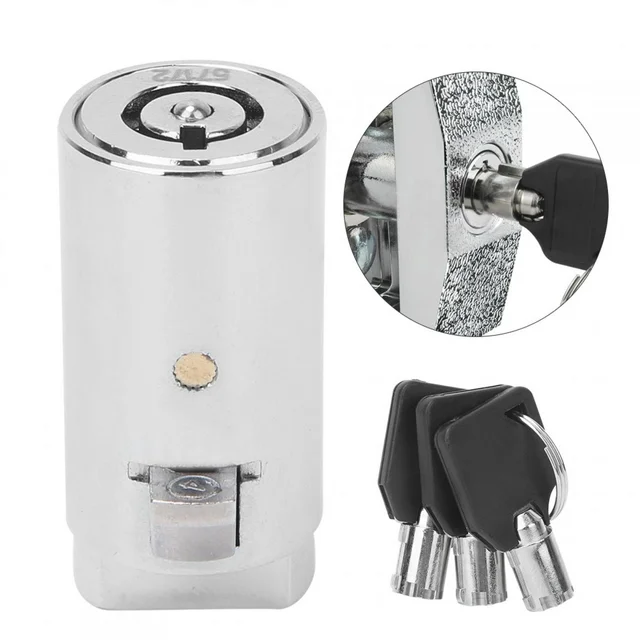
A vending machine cylinder lock is a cylindrical-shaped locking device installed in vending machine doors, cash compartments, or service panels. Its primary function is to restrict access to authorized personnel only, preventing unauthorized opening and protecting internal contents.
Unlike traditional padlocks or latch locks, cylinder locks are designed to be flush-mounted within the machine’s metal panel. This design minimizes exposed parts, making them difficult to pry or cut. Their internal mechanism relies on precision components that align only when the correct key is inserted.
A standard vending machine cylinder lock consists of several carefully engineered parts:
The outer metal shell that holds all internal components. It is typically made from hardened steel, brass, or zinc alloy to resist drilling and physical attacks.
The rotating inner section that turns when the correct key is inserted. This movement engages or disengages the locking cam.
Small cylindrical components that prevent rotation unless aligned properly by a matching key. Pin arrangements vary depending on security level.
Located above the pins, springs apply downward pressure to keep pins in the locked position until the key is inserted.
A flat metal arm attached to the back of the cylinder. When the plug rotates, the cam moves to lock or unlock the mechanism.
The shaped opening where the key is inserted. Keyway design can be customized to prevent unauthorized key duplication.
The operation of a vending machine cylinder lock is based on precise mechanical alignment. When no key is inserted, the pins rest in a staggered configuration that blocks rotation of the plug. Once the correct key is inserted, its ridges lift the pins to a specific height, aligning them at the shear line between the plug and housing. This alignment allows the plug to rotate freely, turning the cam and unlocking the machine.
If an incorrect key is used, the pins remain misaligned, preventing rotation. This simple but effective mechanism has been refined for decades to improve resistance to picking, bumping, and drilling attacks.
Different vending machines require different lock types depending on their design, security level, and operating environment. The most common types include:
These are the most widely used locks in vending machines. They provide reliable performance and are cost-effective, making them suitable for general-purpose machines.
Tubular locks feature a circular key and radially arranged pins. They are often used in vending machines because their design makes picking more difficult than traditional flat-key locks.
These locks use rotating discs instead of pins. They are highly resistant to picking and drilling, making them suitable for high-security vending systems.
These locks use patented keyways and controlled duplication systems. Only authorized locksmiths or manufacturers can create duplicate keys, reducing the risk of unauthorized access.
Modern vending machines increasingly use hybrid locks combining mechanical cylinders with electronic authentication. These may include RFID, Bluetooth, or keypad access.
Material selection plays a crucial role in determining the strength and longevity of a vending machine cylinder lock. High-quality locks typically use:
- Brass: Corrosion-resistant and durable, commonly used for plugs and pins.
- Hardened Steel: Provides drill resistance and strength for housings.
- Zinc Alloy: Lightweight and cost-effective for mid-range locks.
- Stainless Steel: Ideal for outdoor machines exposed to weather conditions.
Some high-security locks also include anti-drill plates, hardened inserts, or ceramic pins to increase resistance against forced entry.
Advances in lock engineering have significantly improved security. Modern cylinder locks often include multiple protective features:
Specially shaped pins such as spool pins or serrated pins make it difficult for lock-picking tools to manipulate the mechanism.
Hardened steel rods or plates are embedded within the cylinder to prevent drilling attacks.
Modified pin designs reduce vulnerability to bump keys, a common forced-entry technique.
Restricted keyways ensure only authorized duplicates can be made, preventing key copying.
Sealed housings and corrosion-resistant coatings allow locks to function reliably in outdoor conditions.
Some locks feature visual indicators showing whether someone attempted unauthorized access.
Producing high-quality vending machine cylinder locks requires precision engineering and strict quality control. The typical manufacturing process includes:
- Material Selection and Inspection – Raw materials are tested for hardness, corrosion resistance, and strength.
- CNC Machining – Components such as plugs and housings are machined to tight tolerances.
- Heat Treatment – Metal parts undergo hardening to improve durability.
- Pin Assembly – Pins and springs are inserted according to specific key codes.
- Surface Finishing – Electroplating or coating is applied for corrosion protection.
- Testing – Locks undergo rotation, durability, and force tests.
- Key Matching – Keys are cut and verified for smooth operation.
Strict inspection ensures consistent quality and reliable performance in real-world conditions.
While primarily designed for vending machines, cylinder locks are also used in many other applications, including:
- ATM compartments
- Parking meters
- Arcade machines
- Mailboxes
- Electrical panels
- Tool cabinets
- Coin-operated laundry machines
Their versatility makes them a preferred locking solution wherever compact, reliable security is needed.
Selecting the appropriate lock depends on several factors:
Machines placed in high-traffic or high-risk locations require higher-security locks with anti-drill and anti-pick features.
Outdoor machines should use stainless steel or weatherproof locks to resist corrosion and dust.
Businesses operating large vending networks often require master-key systems or restricted keyways for centralized control.
The lock must match the machine’s mounting hole diameter, cam type, and rotation angle.
While high-security locks cost more, they often reduce theft losses and maintenance costs over time.
Even the best locks require maintenance to ensure long service life. Recommended practices include:
- Periodic lubrication with lock-specific lubricant
- Cleaning debris from keyways
- Inspecting cams and mounting nuts
- Replacing worn keys
- Checking alignment after heavy use
Regular maintenance prevents mechanical failure and maintains smooth operation.
The vending machine lock industry is evolving alongside broader security technology trends. Several innovations are shaping the future:
Smart Lock Integration
Electronic access systems are being integrated with mechanical cylinders, allowing operators to unlock machines using smartphones or digital credentials.
IoT Monitoring
Some advanced locks can transmit access data to cloud platforms, enabling real-time monitoring of service activity.
Biometric Access
High-security machines are beginning to adopt fingerprint-based unlocking systems for restricted access.
Modular Lock Systems
Interchangeable cores allow operators to change keys without replacing the entire lock, improving convenience and reducing costs.
Sustainable Materials
Manufacturers are exploring recyclable alloys and eco-friendly coatings to reduce environmental impact.
The global demand for vending machine cylinder locks is expected to grow steadily as automated retail expands worldwide. Factors driving this growth include:
- Increasing deployment of vending machines in urban areas
- Expansion of cashless payment systems requiring secure compartments
- Rising security awareness among operators
- Growth in smart vending technology
Manufacturers are responding by developing more sophisticated locks that combine mechanical reliability with digital features.
Despite strong growth, the industry faces several challenges:
Counterfeit Products
Low-quality imitation locks can undermine security and damage brand reputation.
Evolving Theft Techniques
Criminal methods continue to evolve, requiring constant innovation in lock design.
Cost Pressure
Operators seek affordable solutions, forcing manufacturers to balance price with performance.
Supply Chain Disruptions
Global material shortages can affect production timelines and pricing.
Addressing these challenges requires continuous research, improved manufacturing processes, and strong quality control systems.
High-quality vending machine cylinder locks typically comply with international testing and certification standards. These standards verify durability, corrosion resistance, and tamper resistance. Buyers should look for certifications from recognized testing bodies, as they indicate reliable performance and adherence to safety requirements.
Looking ahead, vending machine security will likely shift toward integrated systems combining mechanical and electronic protection. Mechanical cylinder locks will remain essential because of their reliability and independence from power sources. However, they will increasingly work alongside digital monitoring and authentication technologies.
Future designs may include:
- AI-powered access tracking
- Remote locking and unlocking
- Tamper alerts sent to mobile devices
- Blockchain-based access logs
These advancements will transform vending machines into fully secure, intelligent retail systems.
Vending machine cylinder locks play a vital role in protecting automated retail equipment from theft, vandalism, and unauthorized access. Though small in size, these precision-engineered devices combine advanced materials, mechanical ingenuity, and evolving security technology to safeguard valuable assets.
From traditional pin tumbler designs to modern smart-enabled cylinders, the industry continues to innovate to meet rising security demands. Selecting the right lock requires careful evaluation of security level, materials, environment, and operational needs. With proper maintenance and quality manufacturing, a reliable cylinder lock can provide years of dependable protection.
As vending machines become more sophisticated and widespread, the importance of robust locking systems will only grow. Manufacturers, operators, and distributors alike recognize that investing in high-quality cylinder locks is not merely a technical decision—it is a strategic step toward ensuring safety, reliability, and long-term business success.
