
As automated retail continues to grow globally, vending machines have become increasingly important in a wide range of commercial environments—from office buildings and hospitals to transportation hubs, manufacturing facilities, and universities. These machines now dispense far more than snacks and beverages; they distribute electronics, personal protective equipment (PPE), medications, and even high-value consumer products. With this expansion comes a growing need for robust security solutions, ensuring that vending machines remain tamper-resistant, theft-proof, and operationally reliable.
One of the most important yet often overlooked components contributing to vending machine security is the vending machine plug lock. Though small in size, these locks play a crucial role in preventing unauthorized access, protecting internal cash storage, safeguarding product inventory, and shielding sensitive electronic components from tampering. As vending machine technology evolves—integrating smart systems, cashless payments, IoT connectivity, and automated inventory management—the function of plug locks becomes even more vital.
This industry news article examines the features, benefits, evolution, and growing significance of vending machine plug locks in the modern automated retail landscape. It also explores emerging trends, security challenges, material innovations, and how plug locks impact operational safety, reliability, and business stability.
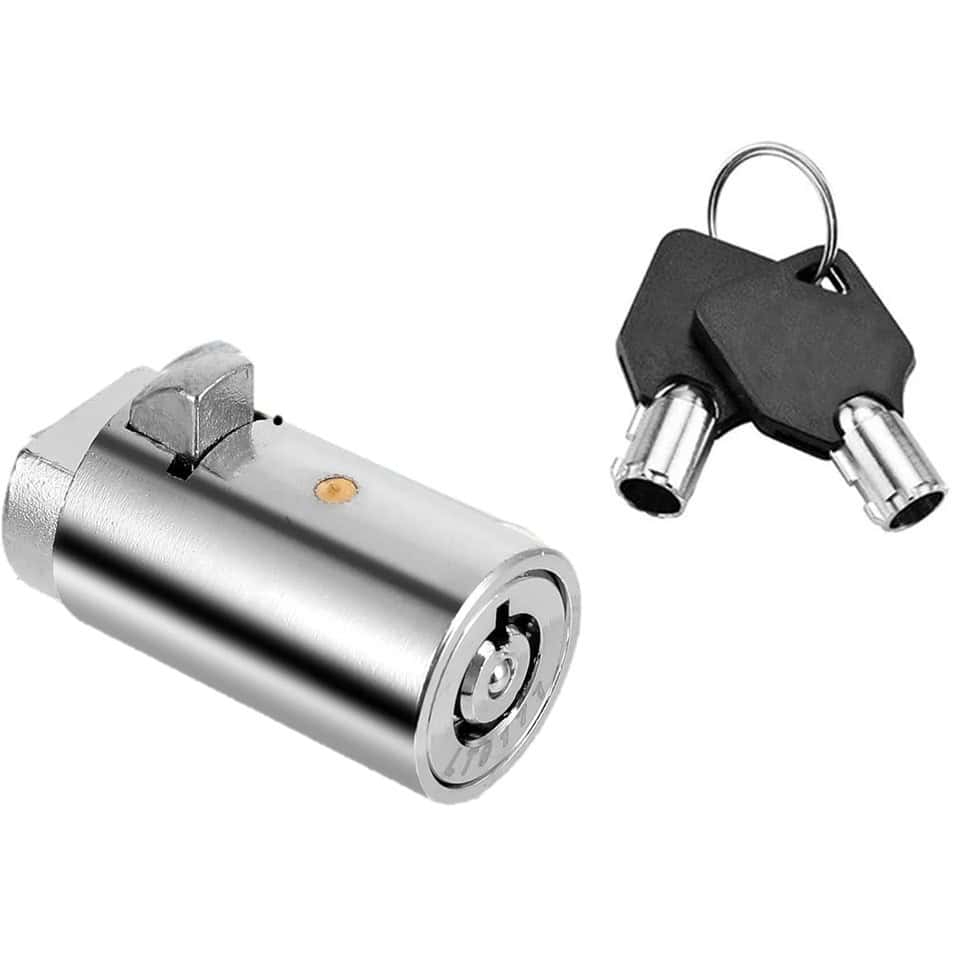
A vending machine plug lock, also known as a tubular cam lock or barrel lock, is a compact mechanical locking device installed on a vending machine's access door, control panel, or cash compartment. The lock prevents unauthorized opening and ensures that only authorized personnel can access the internal components for restocking, maintenance, cash collection, inspections, or repairs.
These locks are distinguished by their cylindrical keyway design, which makes them difficult to pick and highly resistant to tampering. The unique shape and precision machining of the internal components provide enhanced security compared to traditional flat-key locks commonly found on other cabinets or enclosures.
Characteristics of high-quality vending machine plug locks include:
- Hardened steel or zinc alloy body
- Precision-cut tubular keyways
- Pick-resistant multi-pin configurations
- Anti-drill and anti-pull construction
- Long service life and corrosion-resistant finishes
Given the value stored inside vending machines—cash, valuable products, and electronic payment modules—plug locks are essential for safeguarding business assets.
Vending machines have become more advanced, more profitable, and more widely used in commercial settings. With increased use, however, comes increased risk. Plug locks are critical for several reasons:
Vending machines store categories of assets that make them frequent targets of theft—including cash boxes and high-value items. A sturdy plug lock prevents physical intrusion by:
- deterring vandalism
- preventing lock picking
- resisting drilling or prying attempts
- ensuring doors cannot be forced open
In high-traffic and unattended environments such as airports or public plazas, plug locks provide essential protection.
Plug locks allow access only to authorized personnel carrying matching keys. Businesses can issue:
- master keys
- operator keys
- route technician keys
- restricted-use keys
This makes it possible to control who can open the machine, track access, and prevent unauthorized tampering.
Modern vending machines contain:
- cashless payment modules
- telemetry devices
- IoT controllers
- inventory sensors
- wiring harnesses
Unauthorized access to these components can result in operational failures, fraud, or costly repairs. Plug locks help ensure that only qualified technicians can reach these sensitive areas.
When vending machines are left unlocked or poorly secured, tampering can cause:
- malfunctioning product delivery
- cash losses
- inventory discrepancies
- machine downtime
A secure plug lock contributes directly to improved machine uptime, customer satisfaction, and revenue stability.
Different vending machines require different lock types depending on their design, operating environment, and security needs.
These are the most widely used locks in vending machines, featuring:
- 7-pin or 8-pin tubular key design
- basic anti-pick structure
- chrome-plated or zinc alloy body
They provide good general security for vending machines in low-risk environments.
Designed for high-risk locations, these locks include:
- hardened steel outer shells
- anti-drill plates
- anti-pull construction
- patented keyways for restricted duplication
They are common in machines dispensing high-value items.
For outdoor vending machines, lock components may include:
- corrosion-resistant coatings
- waterproof seals
- dust-proof barriers
- UV-resistant finishes
These ensure security and performance in harsh weather conditions.
With the rise of smart vending machines, some systems combine traditional mechanical locking with electronic authentication such as:
- RFID-based access
- Bluetooth or NFC keys
- digital audit trails
- programmable authorization
This hybrid approach improves security and allows for detailed access tracking.
A reliable vending machine plug lock must endure physical stress, repeated use, and environmental challenges. Common materials include:
Affordable, corrosion-resistant, and durable. Widely used for standard plug locks.
Ideal for high-security locks and outdoor machines. Offers superior strength and corrosion resistance.
Used in anti-drill and anti-vandalism components for maximum security applications.
Often found inside lock cylinders for smooth operation and long-term reliability.
Material quality strongly affects overall lock durability and tamper resistance.
Understanding the internal mechanism helps illustrate why plug locks offer superior security.
The tubular key is cylindrical with cuts around the outer surface. When inserted:
- each cut aligns with a corresponding pin inside the lock
- the pins retract to specific depths
- the lock cylinder rotates, activating the cam
This precision-based design reduces vulnerability to picking.
Plug locks use multiple pins that must be aligned precisely. Higher pin counts provide:
- better resistance to lock-picking
- improved key control
- increased operational reliability
When turned, the key rotates a cam on the back of the lock. The cam secures the machine's:
- door latch
- locking bar
- internal compartments
The mechanism is simple yet extremely robust.
Vending machines today serve many industries, and plug locks are used across nearly all of them.
The most common application—ensuring the machine stays locked and internal cash and products remain protected.
Factories and warehouses use vending machines to distribute:
- safety gloves
- helmets
- tools
- consumables
Plug locks secure these high-value items.
Machines dispense:
- pharmaceuticals
- medical supplies
- personal hygiene products
Due to safety regulations, high-security plug locks are essential.
Airports and malls use smart vending machines to sell:
- headphones
- chargers
- mobile accessories
These machines require robust security.
Plug locks safeguard the payment modules, cash boxes, and internal electronics of kiosks.
Designed to withstand:
- forced entry
- drilling
- prying
- impact tampering
Precision machining ensures smooth key rotation and dependable locking, even after thousands of uses.
High-quality locks require minimal lubrication and resist jamming.
Plug locks offer professional-grade security at a reasonable cost, making them suitable for businesses of all sizes.
5. Customizable Keying Systems
Businesses can choose:
- master key systems
- key-alike solutions
- unique individual keyways
This allows tailored access control.
If keys are lost or duplicated, security may be compromised. High-security locks help mitigate this.
Outdoor machines face corrosion and rust, making weather-resistant locks essential.
As thieves develop new anti-lock techniques, manufacturers must continue to innovate.
Not all vending machines support the same lock size or cam configuration, requiring customized solutions.
Expect more vending machines equipped with:
- digital access codes
- biometric authentication
- wireless smart keys
These increase security and improve access tracking.
Locks will integrate with vending management systems to report:
- unauthorized access attempts
- lock status
- wear or damage indicators
This improves predictive maintenance.
Manufacturers are developing:
- ultra-hardened metals
- anti-chisel casings
- corrosion-resistant nano-coatings
These improve performance under heavy wear.
Future vending machines may combine:
- mechanical plug locks
- electronic verification
- motion sensors
- camera systems
to create a comprehensive security package.
Vending machine plug locks may be small, but they play an indispensable role in ensuring the security, reliability, and profitability of automated retail systems. As vending technology evolves and machines expand into new industries—including medical supply distribution, electronics vending, and smart automated retail—the importance of strong plug lock solutions continues to increase.
With advancements in materials, electronic integration, and security engineering, modern plug locks offer far more than simple mechanical protection. They provide businesses with reliable access control, reduced theft risk, operational stability, and long-term durability.
In an era where automated vending continues to grow worldwide, vending machine plug locks remain one of the most critical components maintaining security, trust, and operational continuity across the industry.
