
The global vending machine industry is undergoing rapid transformation, fueled by automation, digital payments, and the rise of unattended retail. From snack dispensers in office buildings to smart retail kiosks in airports, vending machines are becoming more intelligent, interconnected, and valuable. As a result, the importance of robust physical security has never been greater. Among the essential components ensuring this security is the cylinder vending machine lock, a compact yet highly engineered device designed to protect assets, cash, and sensitive systems.
With increasing deployment in high-traffic public environments, vending machines face growing risks such as theft, vandalism, and unauthorized access. Industry analysts estimate that losses due to machine tampering and break-ins account for a significant portion of operational costs for vending operators. Consequently, the demand for advanced locking mechanisms—particularly high-performance cylinder locks—continues to rise.
This expanded industry news explores the design, working principles, classifications, materials, security technologies, applications, operational considerations, and evolving innovations of cylinder vending machine locks, providing a comprehensive and in-depth perspective.
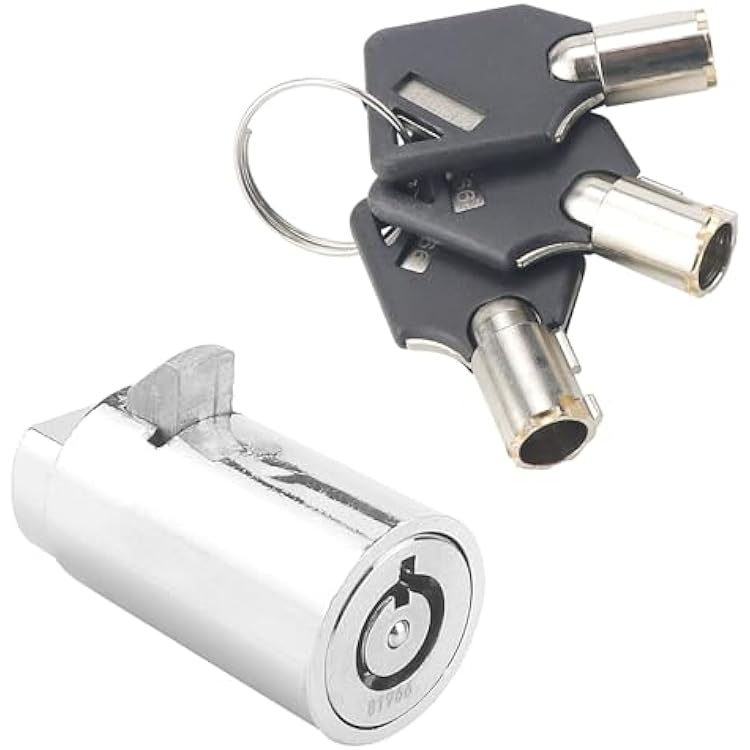
A cylinder vending machine lock is a specialized mechanical or electromechanical locking device used to secure vending machine compartments, including doors, cash boxes, and maintenance panels. It operates using a cylindrical core that houses a pin-tumbler or similar locking mechanism, which can only be activated by a correctly matched key or authentication method.
Unlike conventional locks used in furniture or residential applications, vending machine cylinder locks are designed for high-frequency usage and harsh operational conditions. They must withstand repeated opening cycles, environmental exposure, and deliberate tampering attempts, all while maintaining smooth and reliable operation.
The effectiveness of a cylinder vending machine lock depends on the precision and durability of its internal components. A typical lock consists of:
Outer Cylinder Housing: Provides structural integrity and protects internal mechanisms.
Plug/Core Assembly: The rotating part where the key is inserted and turned.
Pin Stack System: Comprising driver pins, key pins, and springs, which control access.
Shear Line: The critical interface where pins must align to allow rotation.
Cam or Tailpiece Mechanism: Transfers rotational movement into locking or unlocking action.
Keyway Profile: A uniquely shaped slot designed to match a specific key configuration.
Advanced cylinder locks often incorporate additional elements such as anti-drill plates, reinforced collars, and hardened inserts to enhance resistance against physical attacks.
The fundamental operation of a cylinder vending machine lock relies on the pin-tumbler mechanism. When a key is inserted, its ridges (bittings) lift the pins inside the cylinder to precise heights. If the key is correct, the separation between the key pins and driver pins aligns perfectly at the shear line, allowing the plug to rotate.
This rotation actuates the cam or locking bar, opening the secured compartment. If an incorrect key is used, the pins remain misaligned, preventing rotation and maintaining the locked state. This straightforward mechanical principle has proven highly effective and remains the foundation of modern lock design.
Cylinder locks for vending machines are available in a wide range of designs, each tailored to specific security requirements and operational scenarios.
These are widely used due to their simplicity and cost-effectiveness. They offer adequate security for low- to medium-risk environments.
Also known as radial locks, these feature circular keyways and pins arranged in a radial pattern. Their design provides enhanced resistance to picking and is commonly used in vending machines, ATMs, and gaming equipment.
These locks incorporate advanced features such as sidebars, complex keyways, and multiple pin configurations. They are designed to resist sophisticated attacks, including lock picking, bumping, and drilling.
These combine traditional mechanical locking with electronic authentication systems, such as RFID cards, PIN codes, or mobile access. They offer greater flexibility and control, especially in large vending networks.
Ideal for operators managing multiple machines, these systems allow a hierarchical key structure, enabling different levels of access while maintaining individual lock security.
Material selection plays a crucial role in determining the durability and performance of cylinder vending machine locks. Common materials include:
Brass: Offers excellent corrosion resistance and machinability, widely used for precision components.
Zinc Alloy: Cost-effective and suitable for high-volume production.
Stainless Steel: Provides superior strength and resistance to corrosion, ideal for outdoor and harsh environments.
Hardened Steel Inserts: Used in critical areas to resist drilling and cutting attacks.
Manufacturing processes such as CNC machining, die casting, and precision stamping ensure tight tolerances and consistent quality. Surface treatments like electroplating, powder coating, and anodizing further enhance durability and aesthetics.
Modern cylinder vending machine locks are equipped with a variety of features designed to enhance security and deter tampering:
Anti-Pick Mechanisms: Use of spool pins, mushroom pins, and serrated pins to prevent manipulation.
Anti-Drill Protection: Hardened steel components that resist drilling attempts.
Anti-Bump Technology: Specialized pin configurations that prevent bump key attacks.
Restricted Keyways: Keys that cannot be easily duplicated without authorization.
Tamper-Resistant Designs: Reinforced housings and concealed mounting systems.
Weatherproof Sealing: Protection against dust, moisture, and extreme temperatures.
These innovations significantly improve the lock's ability to withstand both opportunistic and targeted attacks.
Cylinder vending machine locks are not limited to traditional vending systems. Their applications extend across multiple sectors:
Food and Beverage Vending Machines: Securing product compartments and payment systems.
Ticketing and Parking Kiosks: Protecting sensitive electronics and cash storage.
Laundry Equipment: Safeguarding coin boxes in laundromats.
Smart Retail Cabinets: Ensuring controlled access to high-value goods in unmanned stores.
Healthcare Dispensers: Securing medical supplies and personal protective equipment.
Logistics Lockers: Used in parcel delivery and pickup systems.
Their adaptability makes them essential in any environment requiring secure, unattended access.
The rise of smart vending machines has led to increased integration between mechanical locks and digital technologies. Electronic cylinder locks can now be connected to centralized management systems, offering features such as:
Remote Access Authorization: Unlocking machines via mobile apps or cloud platforms.
Audit Trails: Recording access events for security monitoring.
Real-Time Alerts: Notifications of unauthorized attempts or system anomalies.
Integration with IoT Platforms: Enabling data exchange between locks and vending machine software.
This convergence of mechanical and digital systems enhances both security and operational efficiency.
Proper installation is critical to ensuring the effectiveness of cylinder vending machine locks. Key considerations include:
Selecting the correct lock size and cam configuration for the machine.
Ensuring precise alignment to prevent mechanical stress and wear.
Using tamper-resistant fasteners to secure the lock.
Verifying compatibility with existing access systems.
Professional installation helps maximize the lock's performance and longevity.
Regular maintenance is essential to keep cylinder locks functioning reliably over time. Recommended practices include:
Lubrication: Applying appropriate lubricants to reduce friction and wear.
Inspection: Checking for signs of damage, corrosion, or tampering.
Cleaning: Removing debris that may affect operation.
Key Management: Replacing worn keys and controlling duplication.
Component Replacement: Updating worn parts to maintain security standards.
Effective maintenance not only extends the lock's lifespan but also reduces the risk of unexpected failures.
Cylinder locks offer numerous benefits that make them indispensable in the vending industry:
Robust Security: Advanced designs provide strong protection against unauthorized access.
Durability: Engineered for long-term use in demanding environments.
Cost Efficiency: Balances performance and affordability.
Ease of Operation: Simple and intuitive for authorized users.
Versatility: Suitable for a wide range of applications and machine types.
These advantages contribute to their widespread adoption across global markets.
Despite their strengths, cylinder vending machine locks face certain challenges:
Key Control Risks: Lost or duplicated keys can compromise security.
Mechanical Wear: Continuous use may lead to gradual degradation.
Limited Connectivity (Traditional Models): Mechanical locks lack digital integration.
Evolving Threats: Advances in tampering techniques require continuous innovation.
Addressing these challenges requires a combination of improved design, better materials, and integration with smart technologies.
The cylinder vending machine lock industry is evolving in response to changing market demands and technological advancements.
Smart Lock Adoption
Hybrid locks that combine mechanical reliability with electronic control are gaining popularity, offering enhanced flexibility and security.
Biometric Access
Fingerprint and facial recognition technologies are being explored for high-security applications.
Eco-Friendly Manufacturing
Sustainable materials and energy-efficient production processes are becoming key priorities.
Modular Lock Systems
Interchangeable components allow for easier upgrades and customization.
Enhanced Anti-Tamper Innovations
Continuous improvements in materials and engineering are increasing resistance to sophisticated attacks.
Market Dynamics and Growth Drivers
The global demand for cylinder vending machine locks is expected to grow steadily, driven by several factors:
Expansion of automated retail and self-service technologies.
Increasing need for secure unattended operations.
Growth in urban infrastructure and smart city projects.
Rising awareness of asset protection and loss prevention.
Manufacturers are responding by developing more advanced, reliable, and adaptable locking solutions to meet these demands.
Cylinder vending machine locks remain a cornerstone of security in the rapidly evolving vending industry. Their proven mechanical reliability, combined with ongoing technological advancements, ensures they continue to meet the growing demands of modern applications.
As vending machines become more sophisticated and widely deployed, the role of cylinder locks extends beyond simple access control to encompass integrated security solutions. By combining durability, innovation, and adaptability, these locks play a vital role in protecting assets, maintaining operational continuity, and supporting the future of unattended retail worldwide.
