
In today's rapidly expanding unattended retail industry, vending machines have become an essential part of everyday commerce. From snacks and beverages to electronics, personal care items, and even pharmaceuticals, vending machines are now deployed in a wide variety of public and semi-public environments. While their convenience and efficiency are undeniable, their unattended nature also makes them highly vulnerable to theft, vandalism, and unauthorized access.
As a result, the demand for high security vending locks has grown significantly. These advanced locking systems are specifically engineered to protect vending assets against increasingly sophisticated attack methods. Unlike conventional locks, high security vending locks integrate reinforced mechanical structures, precision engineering, and in many cases, electronic control systems to deliver superior protection.
The evolution of vending machine security reflects a broader trend in retail automation: as machines become smarter and more valuable, their security systems must also advance. High security vending locks play a critical role in safeguarding revenue, inventory, and operational continuity for vending operators worldwide.
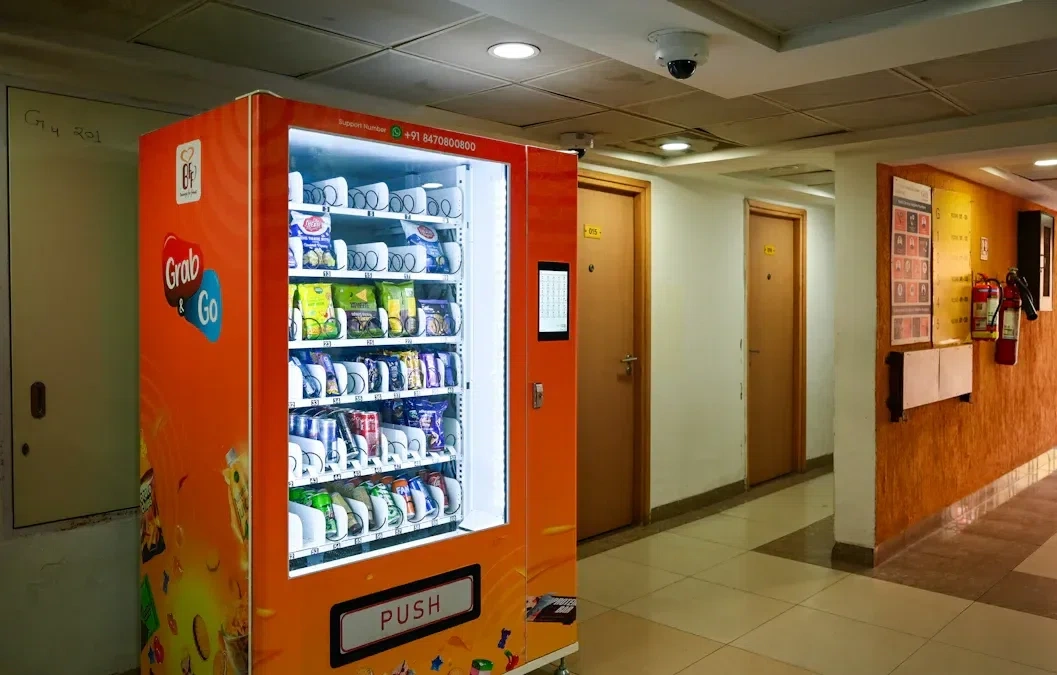
High security vending locks are specialized locking mechanisms designed to secure vending machines against forced entry, tampering, picking, drilling, and unauthorized duplication of keys. They are built using high-grade materials and complex internal mechanisms that significantly increase resistance to common break-in techniques.
Unlike standard cam locks or basic cylinder locks, high security vending locks are engineered with precision components that make them extremely difficult to manipulate without the correct key or access credentials. These locks are widely used across vending machines, kiosks, self-service terminals, arcade machines, and automated retail cabinets.
The primary objective of these locks is to ensure maximum asset protection with minimal maintenance requirements, while also supporting ease of use for authorized operators.
Key objectives include:
- Preventing unauthorized access to cash boxes and inventory compartments
- Reducing theft-related losses in unattended environments
- Enhancing operational security in high-traffic public areas
- Supporting multi-location vending management systems
- Extending the lifecycle of vending equipment
As vending networks expand globally, particularly in transportation hubs, schools, hospitals, and commercial centers, high security locking systems have become a standard requirement rather than an optional upgrade.
High security vending locks are available in several configurations, each designed to meet different operational needs and security requirements. The three primary categories include mechanical locks, electronic locks, and hybrid locking systems.
Mechanical vending locks remain one of the most widely used solutions due to their simplicity, durability, and independence from power sources. These locks rely entirely on physical key operation and precision-engineered internal components.
Mechanical high security locks are typically constructed with reinforced cylinders, anti-drill plates, and complex pin configurations. They are designed to resist manipulation techniques such as lock picking, bumping, and drilling.
- No requirement for electrical power or batteries
- Highly reliable in all environmental conditions
- Lower maintenance requirements compared to electronic systems
- Cost-effective for large-scale deployment
- Easy replacement and standardization across machine fleets
Because of their simplicity, mechanical locks are particularly suitable for outdoor vending machines, remote installations, or locations where electronic maintenance may be difficult.
Despite their traditional design, modern mechanical vending locks incorporate advanced anti-tampering technologies that significantly enhance their resistance to physical attacks.
Electronic vending locks represent a more advanced generation of security systems. These locks use digital authentication methods such as PIN codes, RFID cards, or electronic keys to control access.
Unlike mechanical systems, electronic locks offer programmable access control, making them ideal for operators managing large vending networks.
- Programmable access codes or digital keys
- Audit trail and access logging capabilities
- Remote access management in advanced systems
- Integration with vending telemetry platforms
- Time-based access control for operators
Electronic locks are particularly valuable for companies operating multiple vending machines across different locations. They allow administrators to control access permissions remotely and monitor usage patterns in real time.
For example, maintenance personnel can be assigned temporary access codes that expire after a set period, reducing the risk of unauthorized duplication or misuse.
However, electronic systems require power sources and may involve higher initial investment and maintenance complexity compared to mechanical alternatives.
Hybrid vending locks combine the mechanical reliability of traditional systems with the intelligence of electronic access control. These locks are designed to provide dual-layer security, ensuring continued protection even if one system fails.
Typically, a hybrid lock includes a mechanical override key system alongside an electronic authentication module.
- Dual security mechanism (mechanical + electronic)
- Backup access in case of electronic failure
- Enhanced flexibility for operators
- Higher resistance to multiple attack methods
- Suitable for high-value vending machines
Hybrid locks are increasingly used in premium vending machines, particularly those dispensing high-value goods such as electronics, cosmetics, or sensitive products.
Modern high security vending locks incorporate a wide range of engineering enhancements designed to resist physical attacks and unauthorized manipulation. These features significantly improve the resilience and reliability of vending security systems.
One of the defining characteristics of high security vending locks is their advanced internal mechanism design. Many models utilize tubular locking systems, which feature pins arranged in a circular configuration around the cylinder.
This design requires a specially cut key that aligns all pins simultaneously, making unauthorized duplication extremely difficult.
Other advanced mechanisms include:
- Circular tumbler systems
- Multi-axis pin configurations
- Precision-machined locking rods
- Anti-bypass internal structures
These complex mechanisms greatly increase the difficulty of lock picking and manipulation.
Security against forced entry is a core requirement for vending machine locks. High security models are engineered with multiple anti-tampering technologies to resist common attack methods.
Pick resistance is achieved through specially designed pins such as:
- Spool pins
- Serrated pins
- Mushroom pins
These pins create false feedback when manipulated, making lock picking significantly more difficult.
Drill resistance is achieved through hardened steel inserts, rotating anti-drill plates, and reinforced lock cylinders. Some models also feature re-locking mechanisms that activate when drilling is detected, permanently blocking access to the lock core.
Together, these features provide strong protection against both opportunistic theft and professional intrusion attempts.
Material selection plays a critical role in determining the durability and security level of vending locks. High security vending locks are typically manufactured using a combination of zinc alloy, brass, and hardened steel components.
Zinc Alloy
- Excellent corrosion resistance
- Lightweight and cost-effective
- Suitable for general-purpose applications
- Long service life in indoor environments
Brass
- Higher mechanical strength
- Superior machining precision
- Better resistance to wear and tampering
- Ideal for high-security applications
In premium models, brass cylinders are often reinforced with hardened steel inserts to provide additional resistance against drilling and physical impact.
The outer housing is typically designed to withstand harsh environmental conditions, including moisture, dust, and temperature variations.
Modern vending locks increasingly incorporate key control systems to prevent unauthorized duplication. These may include:
- Patented keyway designs
- Restricted key blanks
- Serialized key systems
- Registered key ownership programs
These measures ensure that keys cannot be easily copied at standard locksmith shops, significantly improving operational control and accountability.
Advanced electronic and hybrid locks may include tamper detection features that trigger lockout modes when unauthorized access attempts are detected.
This may involve:
- Automatic locking of internal components
- Alarm activation
- Logging of tampering attempts
- Temporary system disablement
These features provide an additional layer of protection in high-risk environments.
High security vending locks are used across a wide range of industries and machine types, including:
- Beverage and snack vending machines
- Ticketing and transportation kiosks
- Laundry and service machines
- Electronic product vending systems
- Automated retail lockers
- Arcade and amusement machines
- Pharmaceutical dispensing units
As unattended retail continues to grow, the application scope of these locks is expected to expand further.
Selecting the appropriate vending lock is essential for balancing security, cost, and operational efficiency. Several key factors should be considered during the selection process.
The first consideration is the level of security required. High-traffic public environments or high-value vending machines demand more advanced locking systems, such as tubular high-security or hybrid electronic locks.
Operators should assess potential risks, including:
- Theft frequency in the area
- Value of stored inventory
- Cash handling requirements
- Exposure to vandalism
Environmental conditions play an important role in lock selection. Outdoor machines require weather-resistant and corrosion-proof locks, while indoor machines may prioritize ease of use and cost efficiency.
Durability determines long-term performance and maintenance costs. High-quality materials such as brass and hardened steel significantly extend service life and reduce replacement frequency.
Operators should consider:
- Frequency of access cycles
- Exposure to weather conditions
- Physical impact risks
- Maintenance accessibility
While high security locks require higher initial investment, they often reduce long-term operational losses caused by theft or damage. A balanced approach should evaluate both upfront cost and long-term protection benefits.
High security vending locks have become a critical component in modern unattended retail infrastructure. As vending machines continue to evolve into sophisticated automated retail platforms, their security systems must also advance to meet rising threats.
Through a combination of mechanical strength, electronic intelligence, and hybrid innovation, these locks provide comprehensive protection against theft, tampering, and unauthorized access. Their role extends beyond simple locking mechanisms—they are essential safeguards for revenue protection, operational continuity, and brand integrity.
As the vending industry continues to grow globally, the demand for advanced security solutions will only increase. High security vending locks will remain at the forefront of this evolution, ensuring that automated retail systems remain safe, reliable, and profitable in an increasingly complex security landscape.