
The arcade and vending machine industry has evolved significantly over the past decade. Modern entertainment centers, gaming arcades, self-service kiosks, claw machines, capsule toy dispensers, and intelligent vending systems are now equipped with advanced technologies that improve user experience and operational efficiency. However, as machines become more sophisticated and more valuable assets are stored inside them, security concerns have become increasingly important. This has driven the rapid development of the arcade vending machine lock industry.
Arcade vending machine locks are specialized locking systems designed to protect cash boxes, gaming equipment, electronic components, and stored merchandise from theft, vandalism, and unauthorized access. These locks play a critical role in ensuring machine reliability, reducing maintenance risks, and improving operational safety in commercial entertainment environments.
Today's arcade machine locks are no longer limited to simple mechanical designs. Manufacturers are integrating electronic access systems, smart authentication technologies, anti-pry structures, and remote management capabilities into modern lock solutions. As a result, operators can now achieve higher levels of equipment security while simplifying maintenance and key management.
This article explores the importance of arcade vending machine locks, their working principles, types, materials, applications, technological advancements, installation considerations, and future market trends.
An arcade vending machine lock is a security device specifically designed for arcade cabinets, vending machines, gaming terminals, redemption machines, lockers, and amusement equipment. Its primary purpose is to prevent unauthorized access to internal compartments containing cash, electronic systems, prizes, or operational components.
Unlike standard household locks, arcade vending machine locks must withstand demanding commercial conditions, including:
- Frequent opening and closing
- Continuous public interaction
- Vibration and movement
- Attempted tampering
- Outdoor environmental exposure
- Long operational hours
These requirements demand highly durable and tamper-resistant lock systems capable of maintaining reliable performance over extended periods.
Modern locks used in arcade and vending applications are engineered to provide:
- Enhanced anti-theft protection
- Smooth operational performance
- Easy maintenance access
- Corrosion resistance
- Long service life
- Compatibility with automated systems
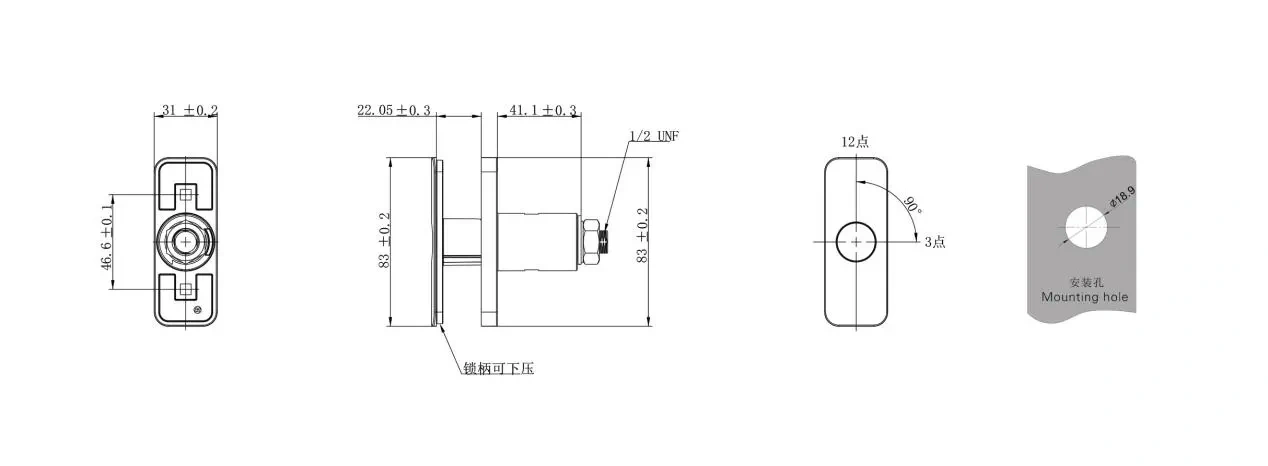
Security is one of the most critical concerns for arcade operators and vending machine owners. Machines often contain cash, electronic payment systems, expensive gaming hardware, and valuable products. Weak locking systems can lead to financial losses, equipment damage, and operational downtime.
Protection Against Theft
Traditional vending machines and arcade cabinets are common targets for theft because they store coins, banknotes, tokens, and valuable merchandise. High-security locks significantly reduce the risk of unauthorized entry.
Advanced locking systems incorporate:
- Anti-drill cylinders
- Hardened steel components
- Restricted key systems
- Hidden mounting structures
- Anti-pick mechanisms
These features make forced entry considerably more difficult.
Reducing Maintenance Risks
Only authorized technicians should have access to internal machine systems. Secure locks help prevent accidental damage, unauthorized modifications, and operational disruptions caused by unqualified access.
Safeguarding Electronic Systems
Modern arcade machines often contain sophisticated electronic boards, touchscreens, sensors, and communication modules. Protecting these components from theft or tampering is essential for maintaining uninterrupted service.
Enhancing Customer Trust
Machines located in public areas must appear secure and professionally maintained. Strong locking systems reassure customers and business owners that the equipment is reliable and protected.
The market offers a wide range of lock types designed for different applications and security requirements.
Cam locks are among the most common locking solutions used in arcade machines and vending equipment. They feature a cylindrical body and rotating cam mechanism that secures cabinet doors.
Advantages include:
- Compact design
- Easy installation
- Low cost
- Reliable performance
- Wide compatibility
Cam locks are commonly used for:
- Coin boxes
- Service panels
- Cash compartments
- Storage cabinets
Tubular locks are widely used in vending and gaming equipment due to their improved security compared to flat-key locks.
Features include:
- Circular key design
- Greater pick resistance
- Compact construction
- Smooth operation
These locks are frequently installed in:
- Claw machines
- Arcade cabinets
- Ticket redemption systems
- Capsule toy machines
Electronic locks are becoming increasingly popular in modern arcade systems. They eliminate the need for traditional keys and provide advanced access management capabilities.
Common authentication methods include:
- RFID cards
- PIN codes
- Bluetooth access
- Mobile applications
- Biometric identification
Electronic locks offer several advantages:
- Remote access control
- Access tracking
- Reduced key management issues
- Fast authorization
- Enhanced operational efficiency
Smart locks integrate with cloud-based management platforms and IoT systems. Operators can remotely monitor machine access, receive security alerts, and manage permissions across multiple locations.
Smart lock technologies support:
- Real-time notifications
- Multi-user access management
- Audit logs
- Remote unlocking
- Centralized monitoring
These systems are increasingly used in large entertainment centers and unattended retail environments.
Plunger locks use spring-loaded mechanisms to provide quick locking and unlocking functionality. They are commonly installed in frequently accessed service compartments.
Benefits include:
- Fast operation
- Simple mechanism
- Durable construction
- Minimal maintenance
Material selection directly affects the durability, corrosion resistance, and security performance of locking systems.
Zinc Alloy
Zinc alloy is commonly used for arcade lock housings because it offers:
- Good corrosion resistance
- Cost efficiency
- Easy manufacturing
- Attractive appearance
It is suitable for indoor gaming and vending environments.
Stainless Steel
Stainless steel locks provide excellent resistance to corrosion, impact, and wear.
Advantages include:
- High mechanical strength
- Long service life
- Resistance to humidity
- Enhanced tamper resistance
These locks are ideal for outdoor vending applications.
Brass
Brass remains a preferred material for lock cylinders due to its:
- Smooth machinability
- Corrosion resistance
- Durability
- Stable performance
Brass cylinders are commonly found in premium lock systems.
Hardened Steel
High-security locks often use hardened steel inserts to resist drilling and cutting attacks.
These materials significantly improve security performance in high-risk locations.
Modern lock systems are designed to provide much more than simple physical security.
Anti-Theft Protection
Advanced anti-theft technologies include:
- Drill-resistant cylinders
- Reinforced housings
- Hidden screws
- Anti-pry structures
- Key duplication restrictions
Master Key Systems
Master key systems allow operators to manage multiple machines using hierarchical key access.
Benefits include:
- Simplified maintenance
- Reduced key inventory
- Controlled technician access
- Improved operational efficiency
Weather Resistance
Outdoor vending equipment requires locks capable of withstanding rain, dust, humidity, and temperature fluctuations.
Weather-resistant designs feature:
- Waterproof seals
- Corrosion-resistant coatings
- Dust protection
- UV-resistant materials
Smooth Operation
Arcade machines may require frequent servicing. High-quality locks provide reliable and smooth operation even after thousands of cycles.
Compact Design
Modern entertainment equipment often has limited installation space. Compact lock structures allow easier integration without affecting machine aesthetics.
These locking systems are widely used across various industries and commercial environments.
Arcade Gaming Machines
Arcade cabinets require secure locks to protect:
- Internal electronics
- Cash boxes
- Ticket dispensers
- Prize compartments
Claw Machines
Claw machines contain valuable prizes and cash storage systems. Strong locks help prevent unauthorized access and merchandise theft.
Capsule Toy Machines
Gashapon and capsule vending systems rely on compact yet secure locking mechanisms to protect stored products and coins.
Snack and Beverage Vending Machines
Food and beverage vending equipment requires highly durable locks capable of withstanding heavy public usage.
Ticket Redemption Machines
Ticket redemption systems in family entertainment centers store tickets, electronic components, and prizes that require secure protection.
Self-Service Kiosks
Self-service terminals used in transportation, retail, and public services rely on electronic lock systems for operational security.
The lock industry is rapidly evolving alongside advances in automation and digital technology.
RFID Access Systems
RFID-enabled locks allow authorized personnel to unlock machines using access cards or badges.
Benefits include:
- Fast access
- Reduced key loss risks
- Access tracking
- Easy permission updates
Bluetooth Connectivity
Bluetooth smart locks allow operators to use smartphones for machine access.
This technology improves convenience while enabling remote authorization management.
Cloud-Based Monitoring
Cloud-connected lock systems can send real-time alerts regarding:
- Unauthorized access attempts
- Door status
- Maintenance activities
- Battery conditions
This allows operators to manage large machine networks efficiently.
Biometric Authentication
Some high-security systems now incorporate fingerprint recognition for enhanced access control.
Biometric locks reduce the risk of unauthorized key duplication.
IoT Integration
Internet of Things technology is transforming the vending and arcade industries. Smart locks can now communicate with central management systems to improve operational monitoring and predictive maintenance.
Selecting the correct lock is only part of achieving effective machine security. Proper installation is equally important.
Compatibility
Operators must ensure that lock dimensions, mounting methods, and latch configurations match machine specifications.
Security Level
High-traffic public environments require stronger locks with enhanced anti-theft features.
Environmental Conditions
Outdoor applications demand weatherproof materials and corrosion-resistant designs.
Maintenance Accessibility
Locks should allow authorized personnel to perform routine servicing efficiently without compromising security.
Key Management
Businesses operating large machine fleets should consider master key systems or digital access management solutions.
Regular maintenance extends lock lifespan and ensures consistent performance.
Recommended maintenance practices include:
- Periodic cleaning
- Lubrication of moving parts
- Inspection for wear or corrosion
- Replacement of damaged keys
- Battery replacement for electronic locks
Preventive maintenance reduces the likelihood of lock failure and operational downtime.
The transition from mechanical locks to smart locking systems offers numerous benefits.
Improved Security
Digital authentication methods significantly reduce unauthorized access risks.
Operational Efficiency
Remote management capabilities simplify maintenance coordination across multiple locations.
Reduced Key Management Costs
Electronic access systems eliminate many problems associated with physical keys.
Access Records
Digital systems provide audit trails that help operators monitor maintenance and service activities.
Faster Response Times
Operators can remotely unlock machines for authorized technicians, improving service efficiency.
The global demand for advanced locking systems continues to grow alongside the expansion of the vending and entertainment industries.
Growth of Unattended Retail
Self-service retail systems are increasing worldwide, creating greater demand for secure lock technologies.
Expansion of Smart Cities
Smart city infrastructure relies heavily on secure unattended systems, including kiosks and automated service terminals.
Increased Focus on Cashless Systems
Even as digital payments reduce cash handling, protecting electronic systems and stored products remains critical.
Rising Adoption of IoT Technology
IoT-enabled locks are becoming more common as businesses seek centralized management and real-time monitoring capabilities.
Demand for Sustainable Products
Manufacturers are developing eco-friendly lock materials and energy-efficient electronic systems to meet sustainability goals.
Despite technological progress, the arcade vending machine lock industry still faces several challenges.
Cybersecurity Risks
Smart locks connected to networks may become vulnerable to cyberattacks if not properly protected.
Cost of Advanced Systems
Electronic and IoT-enabled locks are more expensive than traditional mechanical solutions.
Battery Dependence
Electronic locks require reliable power sources and periodic battery maintenance.
Compatibility Issues
Older vending machines may require modifications to accommodate modern locking technologies.
The future of arcade vending machine locks is closely linked to advances in intelligent automation and digital security.
Emerging trends may include:
- AI-driven access control
- Facial recognition authentication
- Predictive maintenance systems
- Blockchain-based security management
- Fully integrated cloud security platforms
As vending and entertainment systems become increasingly automated, lock technologies will continue evolving to provide stronger protection and greater operational efficiency.
Arcade vending machine locks are essential components in modern gaming, vending, and self-service industries. They provide critical protection for cash storage, electronic systems, merchandise, and operational infrastructure while supporting efficient maintenance and access control.
From traditional cam locks and tubular locks to advanced smart locking systems with RFID, Bluetooth, and IoT integration, the industry has undergone substantial technological transformation. Businesses now have access to highly durable, intelligent, and tamper-resistant locking solutions capable of meeting the growing security demands of modern commercial environments.
As unattended retail, smart entertainment systems, and automated service technologies continue expanding worldwide, the demand for advanced arcade vending machine locks will remain strong. Manufacturers that focus on innovation, durability, smart integration, and cybersecurity will play a key role in shaping the future of secure vending and entertainment equipment infrastructure.
