
As automated retail continues to expand across transportation hubs, office buildings, schools, hospitals, and public spaces, vending machines have become a familiar and indispensable part of daily life. These machines dispense snacks, beverages, electronics, personal care items, and even fresh meals, operating around the clock without human supervision. However, their unattended nature also makes them vulnerable to tampering, theft, vandalism, and unauthorized use. Among the many security enhancements available today, vending machine plug locks have emerged as a simple yet highly effective solution for protecting both equipment and revenue.
This industry report explores the growing importance of vending machine plug locks, examining their function, design variations, benefits, applications, market trends, regulatory considerations, and future outlook. As operators seek reliable ways to safeguard assets and ensure operational continuity, plug locks are becoming a critical component of modern vending machine security strategies.
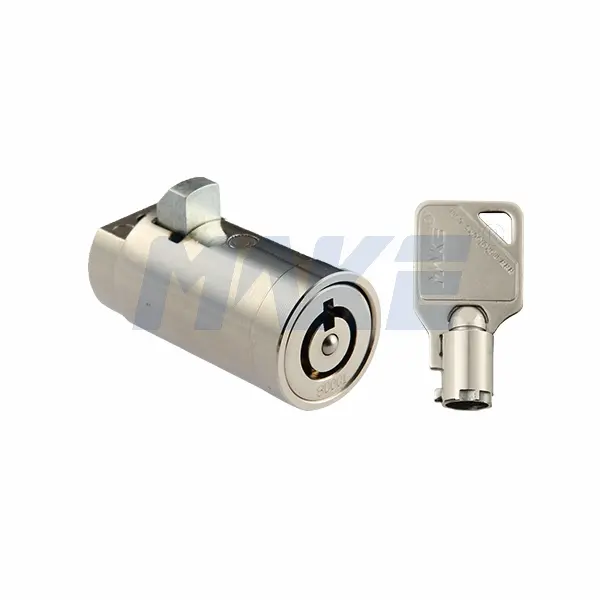
A vending machine plug lock is a mechanical or electromechanical device designed to secure the power plug of a vending machine into an electrical outlet. By preventing unauthorized unplugging or tampering, it ensures the machine remains powered and operational. These locks are typically installed over the plug and outlet interface, physically blocking access unless a key or unlocking tool is used.
While they may appear simple, plug locks address a surprisingly common problem. Unauthorized unplugging can disable machines, disrupt sales, spoil perishable products, interrupt refrigeration cycles, or even damage internal electronics. In high-traffic areas, accidental disconnection can occur when cleaning staff, movers, or passersby inadvertently bump or pull cords. Plug locks eliminate these risks by stabilizing the connection and restricting access.
Electricity is the lifeline of a vending machine. Without a stable power supply, the machine cannot operate payment systems, refrigeration compressors, lighting, inventory sensors, or communication modules. Even a brief interruption can result in:
- Lost transactions
- Data corruption
- Spoiled products
- Customer dissatisfaction
- Maintenance costs
- Brand reputation damage
For machines equipped with smart telemetry systems, power loss can also disrupt remote monitoring, preventing operators from tracking sales or diagnosing faults. In extreme cases, repeated power interruptions can shorten equipment lifespan due to electrical stress during restart cycles.
Because of these risks, securing the power connection is just as important as locking the cash box or securing the cabinet door.
Modern vending machine plug locks incorporate several design elements that enhance reliability and usability.
Most plug locks are constructed from impact-resistant materials such as reinforced polycarbonate, hardened steel, or aluminum alloys. These materials protect against physical attacks, environmental exposure, and accidental damage.
Manufacturers often design plug locks to accommodate multiple plug types and outlet configurations. Adjustable interiors or modular inserts allow a single lock model to fit different cord sizes and plug shapes.
Access control can be achieved through traditional keyed locks, combination mechanisms, or proprietary unlocking tools. Some advanced models integrate electronic authentication systems.
High-quality plug locks include anti-pry edges, concealed screws, and reinforced locking tabs to prevent forced removal.
Outdoor vending machines require weather-resistant plug locks with sealed housings to protect against moisture, dust, and temperature fluctuations.
Different environments require different levels of security, and plug lock manufacturers offer a range of options tailored to specific needs.
These basic models use a physical key mechanism and are ideal for indoor locations with moderate security requirements.
Constructed from reinforced metal, these locks are designed for high-risk environments such as transit stations or public outdoor areas.
Equipped with electronic authentication, RFID access, or Bluetooth unlocking, smart locks allow authorized personnel to open them using digital credentials.
Some designs combine plug locking with cable anchoring, securing both the plug and the power cord to prevent theft of the entire machine.
Large vending operators often commission custom-designed locks tailored to their equipment models and branding.
Vending machine plug locks are used across a wide variety of sectors where automated retail or self-service kiosks are installed.
Airports, train stations, and bus terminals experience heavy foot traffic and increased risk of tampering. Plug locks prevent accidental or intentional disconnections.
Schools and universities deploy vending machines in hallways, cafeterias, and dormitories. Plug locks reduce the likelihood of student interference.
Hospitals rely on vending machines to provide food and essentials for staff and visitors. Maintaining continuous operation is critical.
Office vending machines must remain powered to serve employees throughout the workday. Plug locks help facility managers maintain reliability.
Machines placed in parks, stadiums, or public plazas face environmental and vandalism risks. Weatherproof plug locks are essential in these settings.
Preventing Revenue Loss
An unplugged machine cannot process sales. Even a few hours of downtime in a busy location can result in significant lost revenue. Plug locks ensure consistent operation.
Reducing Maintenance Calls
Service technicians are often dispatched simply to plug machines back in after disconnection. Plug locks eliminate unnecessary service visits.
Protecting Perishable Inventory
Machines that store refrigerated or frozen products rely on constant power. Plug locks help prevent spoilage and waste.
Enhancing Customer Satisfaction
Customers expect vending machines to function reliably. Preventing outages improves user experience and trust.
Improving Safety
Loose or exposed plugs can create tripping hazards or electrical risks. Plug locks secure connections and reduce liability.
Electrical equipment installed in public spaces must comply with safety standards established by recognized organizations such as the Occupational Safety and Health Administration, Underwriters Laboratories, National Electrical Manufacturers Association, and International Electrotechnical Commission.
These organizations provide guidelines for electrical safety, equipment certification, and product performance. Plug locks designed for vending machines must meet relevant requirements, including:
- Fire resistance ratings
- Electrical insulation standards
- Mechanical durability tests
- Environmental protection levels
- Tamper-resistance specifications
Compliance ensures that plug locks do not interfere with electrical performance while still providing effective protection.
Several industry trends are accelerating demand for vending machine plug locks.
Modern machines increasingly include digital payment systems, touchscreens, and IoT connectivity. These advanced systems are more sensitive to power interruptions, increasing the importance of secure electrical connections.
With contactless payments becoming standard, machine uptime is more critical than ever. A powered-off machine cannot process digital payments, leading to missed sales opportunities.
Today's vending machines can cost thousands of dollars due to advanced electronics and refrigeration systems. Protecting this investment with inexpensive security accessories is a logical step.
Cities are installing vending machines in more outdoor and public environments, where tampering risks are higher. Plug locks provide an added layer of protection.
Large vending operators manage thousands of machines across multiple regions. Minimizing service calls and downtime is essential for profitability.
One of the greatest advantages of vending machine plug locks is their ease of installation. Most models can be installed within minutes without specialized tools.
Typical installation steps include:
- Insert the machine's plug into the outlet.
- Position the plug lock housing over the connection.
- Secure the locking mechanism.
- Test stability and access control.
Maintenance requirements are minimal. Operators should periodically inspect locks for signs of wear, corrosion, or tampering. Keyed locks may require occasional lubrication to maintain smooth operation.
While vending machines can be protected using multiple security solutions, plug locks serve a unique purpose. Below is a comparison of common security options:
Security Measure | Primary Function | Limitations |
Cabinet Locks | Protect internal components | Do not secure power supply |
Surveillance Cameras | Monitor activity | Do not physically prevent tampering |
Alarm Systems | Alert operators | Reactive rather than preventive |
Anchoring Systems | Prevent machine theft | Do not protect electrical connection |
Plug Locks | Secure power source | Must be combined with other measures for full protection |
Plug locks are most effective when integrated into a comprehensive security strategy.
The plug lock market is evolving alongside broader trends in smart infrastructure and industrial design.
Smart Authentication
Some manufacturers now offer plug locks with electronic authentication, allowing access via smartphone apps, NFC cards, or biometric verification.
Remote Monitoring
Advanced locks can transmit status data, notifying operators if the lock is opened or tampered with.
Modular Construction
Modular designs allow components to be replaced individually, reducing maintenance costs and extending product lifespan.
Sustainable Materials
Eco-friendly materials such as recycled polymers and low-carbon metals are becoming more common as sustainability gains importance.
Despite their advantages, vending machine plug locks face certain challenges.
Cost Sensitivity
Some operators hesitate to invest in security accessories for large machine fleets, especially when margins are tight.
Compatibility Issues
Older machines or unusual plug designs may require custom lock solutions.
User Awareness
Not all operators recognize the importance of securing power connections until they experience a disruption.
Counterfeit Products
Low-quality imitation locks can fail under stress, undermining trust in the technology.
Addressing these challenges requires education, standardization, and continued innovation.
As cities adopt smart technologies, vending machines are becoming integrated into connected urban ecosystems. Machines can serve as data hubs, digital advertising platforms, or service kiosks. Ensuring continuous power is essential for maintaining these functions.
Plug locks contribute to smart city reliability by preventing outages that could disrupt connected services. In this context, they are not merely accessories but components of urban infrastructure resilience.
The future of vending machine plug locks is closely tied to the evolution of automated retail and smart technology. Several developments are expected in the coming years:
- Wider adoption of smart locking systems
- Integration with machine diagnostics platforms
- Increased use of tamper-detection sensors
- Expansion into related industries such as kiosks and charging stations
- Greater standardization across manufacturers
As vending machines become more technologically sophisticated and more widely deployed, the demand for reliable security solutions will continue to grow.
For manufacturers, offering plug locks as optional or integrated accessories can enhance product value and differentiate their machines in a competitive market. For operators, implementing plug locks demonstrates a proactive approach to asset protection and operational reliability.
Insurance providers may also view secure installations more favorably, potentially lowering risk assessments and premiums. In large-scale vending networks, even small reductions in downtime can translate into significant financial gains.
Vending machine plug locks may appear to be a small component within the broader automated retail ecosystem, but their impact is substantial. By securing the power connection, they prevent interruptions, protect equipment, preserve inventory, and ensure consistent service for customers. In an industry where uptime directly affects revenue and reputation, such reliability is invaluable.
As vending machines evolve into smarter, more connected devices, safeguarding their power supply will become increasingly critical. Plug locks provide a practical, cost-effective, and easy-to-implement solution that addresses a fundamental vulnerability. With rising demand for unattended retail and public self-service technologies, these devices are poised to play an essential role in the next generation of vending infrastructure.
For operators seeking dependable performance, reduced maintenance costs, and enhanced security, vending machine plug locks are no longer optional—they are an industry necessity.
